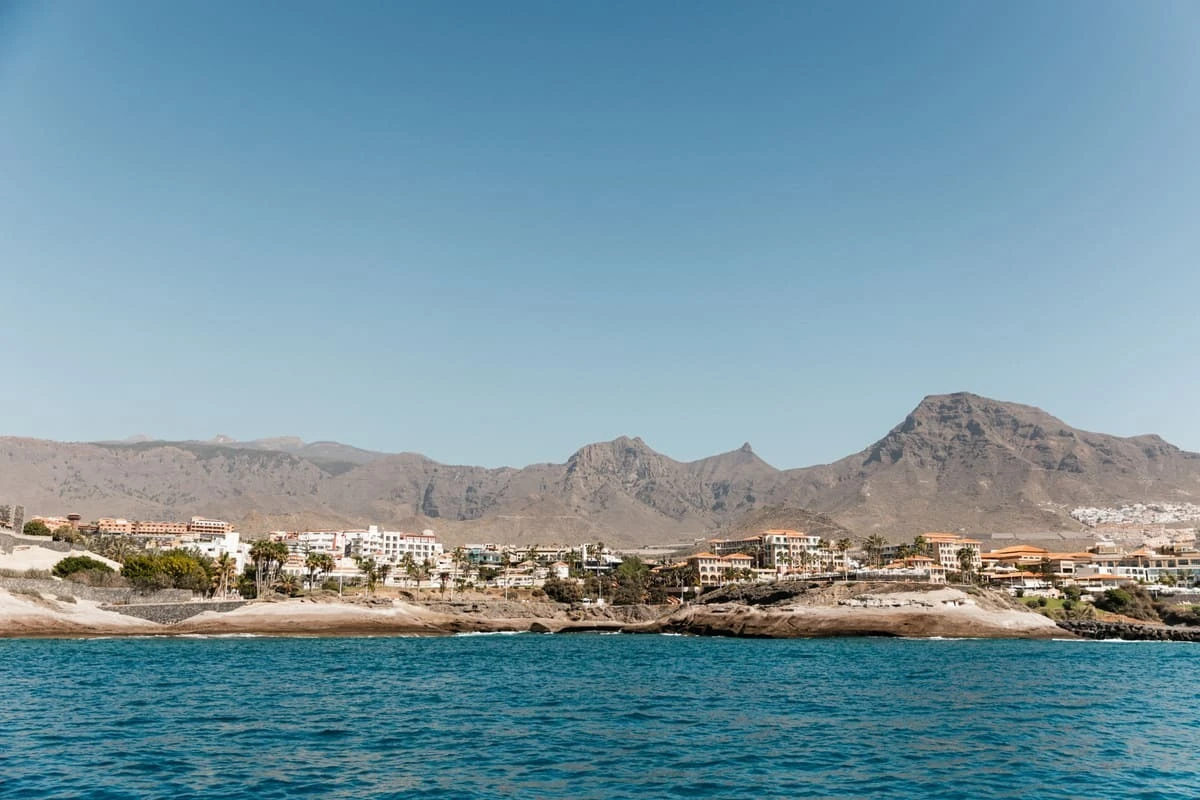
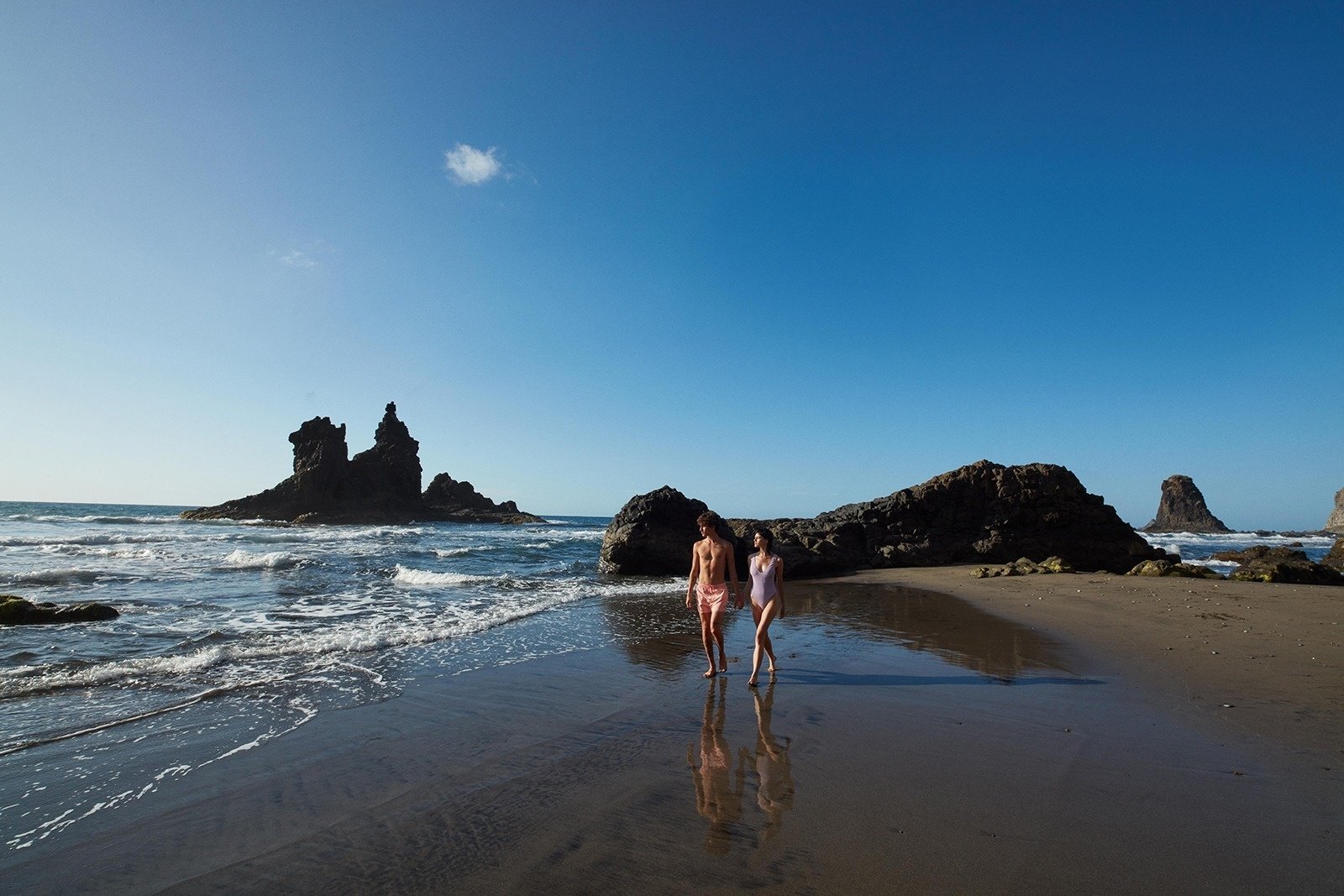
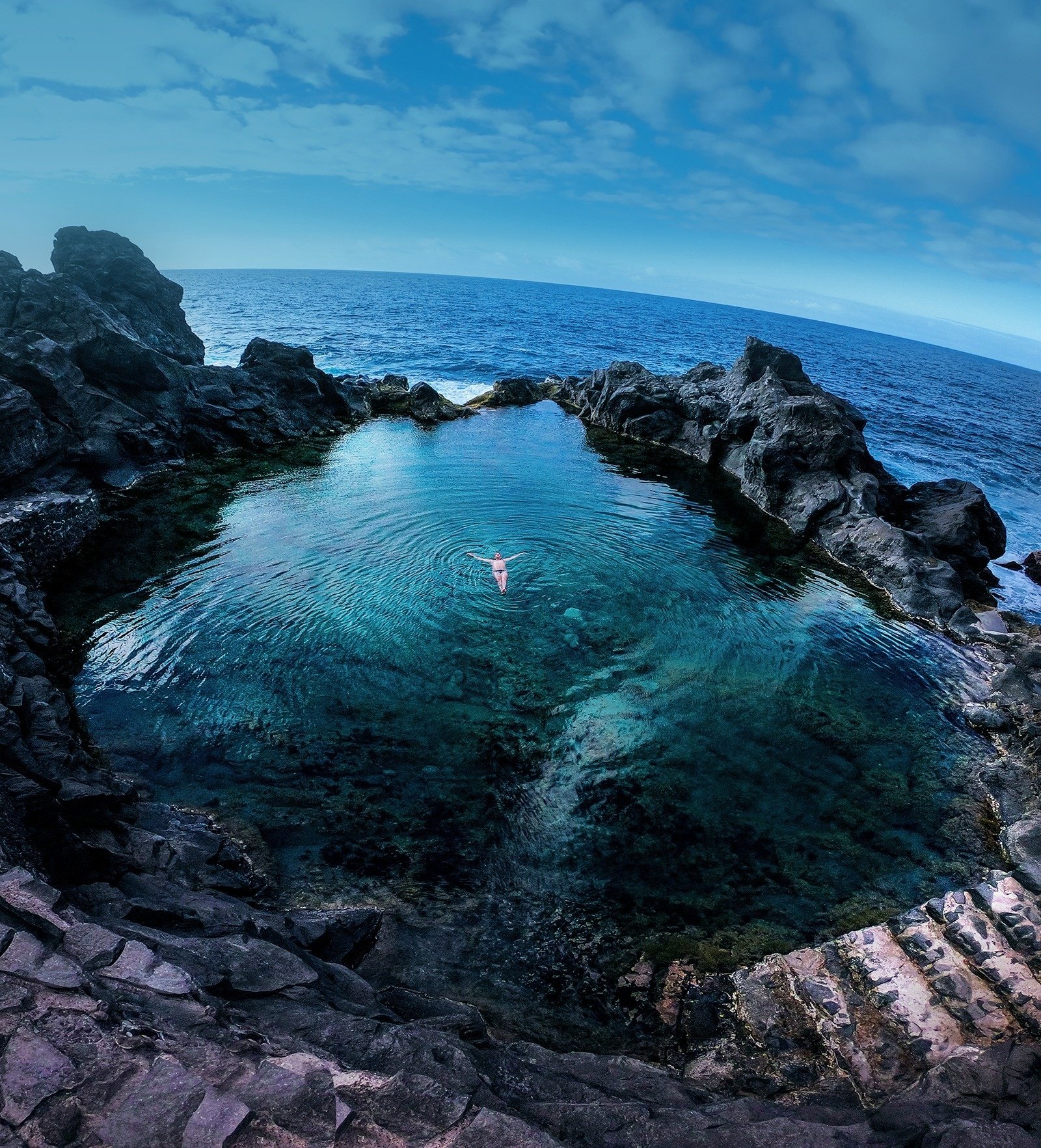
Winter is usually synonymous with short days, gray skies, and low temperatures. However, there is a place in the Canary Islands where this season is experienced with great weather.
Costa Adeje has established itself as the key destination for those looking to escape the cold without leaving European borders.
The reason for its good weather is no coincidence; it is due to a perfect combination of geography and ocean currents. Below, we show you some of the key points that favor Costa Adeje as the spot with the best
climate in Europe during winter.
Location and Subtropical Latitude of Costa Adeje
To understand temperatures in
Costa Adeje, the first factor is its geographical location. The Canary archipelago is located in a belt dominated by subtropical latitude, very close to the coast of northwestern Africa.
Its proximity to the
Tropic of Cancer guarantees good sun exposure throughout all twelve months. Unlike northern Europe or the interior of the Iberian Peninsula, temperatures in Costa Adeje remain stable. The direct result is minimal variation between seasons, allowing you to enjoy bright and pleasant days even in winter.
Coastal Climate in Southern Tenerife
Within the
island of Tenerife, the weather varies significantly depending on where you are. While the north presents a greener and more humid landscape, the south remains leeward of the trade winds, which release their moisture on the northern slope.
The central mass of Mount Teide, standing at over 3,700 meters in altitude, blocks the progress of humid air masses coming from the Atlantic. Areas like
Costa Adeje remain sheltered from northern winds, receiving much drier air. This coastal microclimate guarantees calm mornings, warm afternoons, and mild nights where a light jacket is all you need. Since the weather complies, besides visiting the sea, you can discover the best
chill outs in Tenerife to watch the sunset from an idyllic perspective.
An Average of 300 Days of Sun Per Year in Costa Adeje
One of the facts that defines Costa Adeje as having the best European climate is its weather conditions.
Costa Adeje accumulates more than 300 sunny days annually, placing the area among the brightest regions on the entire European map.
Having so many clear days not only influences the temperature, but also the well-being of those who enjoy it. The weather in Costa Adeje provides a healthy dose of Vitamin D and allows for an active lifestyle during months when it is more restricted in the rest of the continent. You can plan water activities, hiking, or seaside strolls with the certainty that bad weather will rarely interfere with your plans.
Low Rainfall
Closely linked to the presence of the sun is the rainfall pattern. The proportion of rain in Adeje is extremely low, especially when compared to northern island areas such as
Santa Cruz de Tenerife or the La Orotava region, where the terrain traps ocean moisture more frequently.
The scarcity of rainfall in Costa Adeje ensures that humidity remains at balanced levels, avoiding muggy feelings as well as damp cold.
What is the Weather Like in Adeje Throughout the Year?
The meteorological calendar in this area stands out for an enviable continuity. Rather than four distinct seasons, residents and visitors experience a perpetual spring that softens gently across the different
times of the year.
| Season | Average Daytime Temperature | Average Nighttime Temperature | Estimated Sunny Days |
|---|
| Winter | 21 °C - 23 °C | 15 °C - 17 °C | 24 - 26 days / month |
| Spring | 22 °C - 24 °C | 16 °C - 18 °C | 26 - 28 days / month |
| Summer | 26 °C - 28 °C | 20 °C - 22 °C | 29 - 31 days / month |
| Autumn | 24 °C - 26 °C | 18 °C - 20 °C | 25 - 27 days / month |
Average Winter Temperature
During the winter months (December, January, and February), the average daytime temperature on the coast is around 22 °C. During the central hours of the day, the thermometer frequently exceeds 24 °C in the sun, allowing for comfortable swimming.
At night, temperatures drop moderately to around 16 °C. This thermal fluctuation avoids the harsh contrasts experienced in continental areas and allows for a restful night's sleep with pleasant natural ventilation.
Average Summer Temperature
In summer, the presence of the Atlantic Ocean prevents temperatures from spiraling out of control. Unlike interior Spain or other areas of the Mediterranean where heatwaves easily exceed 35 °C, summer on the southern coast averages 27 °C.
The heat is dry, breezy, and very bearable, turning the area into a temperate enclave both at the height of summer and in the heart of winter.
Trade Winds and Currents in Costa Adeje
The
Canarian climate is influenced by the
trade winds. These constant winds, driven by the Azores High, blow regularly from the northeast to the southwest.
Ocean Currents in Costa Adeje
Ocean behavior is another factor explaining the local climate. The waters surrounding the archipelago are influenced by the
Canary Current, a flow of cold water moving from north to south originating from higher latitudes.
This marine current acts as a natural thermostat for the island's coastline:
In summer: It prevents sea water from reaching excessively high temperatures, modulating the coastal air and keeping the environment at pleasant levels.
In winter: It maintains the water at an average temperature between 19 °C and 20 °C. This value is ideal for year-round swimming in the sea and provides thermal inertia that prevents the coast from cooling drastically at night.
Enjoy Winter in Costa Adeje with GF Gran Costa Adeje
Experiencing winter under the
Tenerife sun requires a starting point worthy of the occasion. If you are looking for a stay where climate takes center stage, the
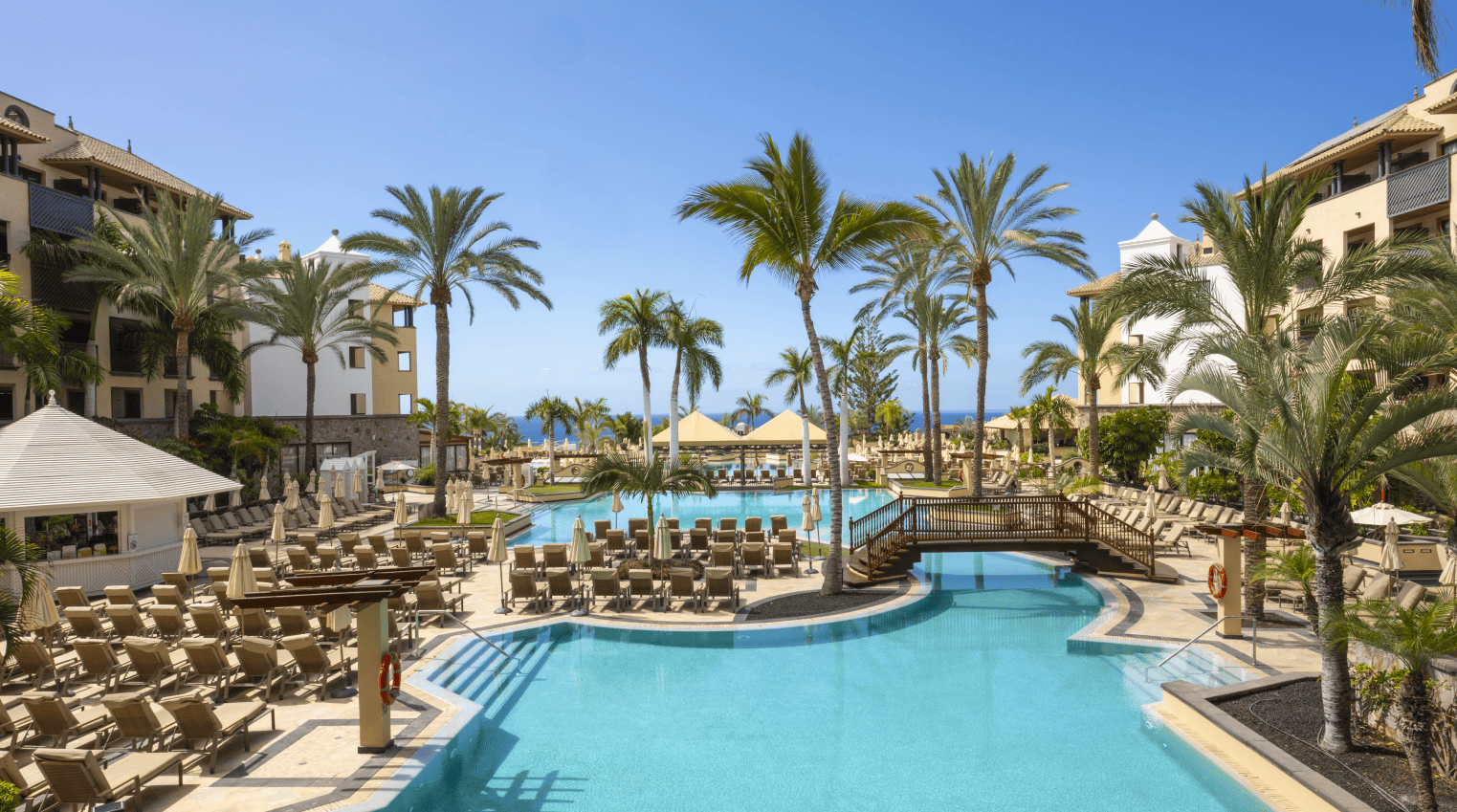
GF Gran Costa Adeje hotel provides the perfect place for your winter holiday in Tenerife. Its ocean-facing terraces, pools surrounded by greenery, and gastronomic offerings will allow you to make the most of every hour of sunshine in a peaceful and sophisticated environment.